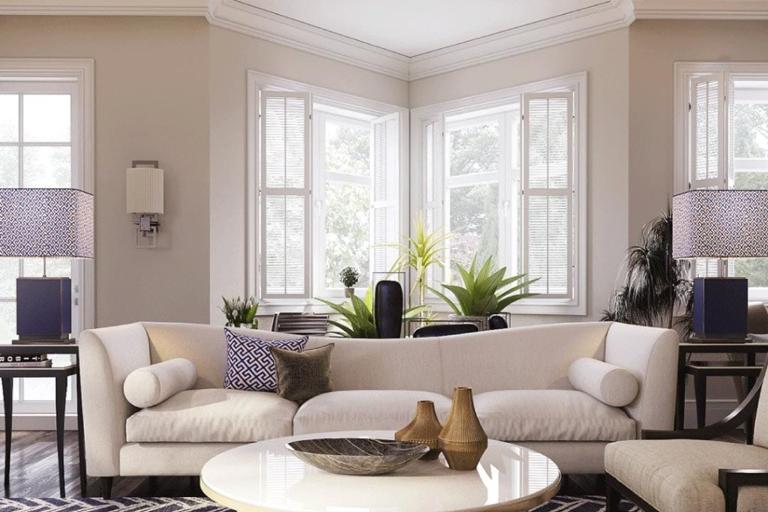
Across London, second-hand furniture has become a central feature of the city’s evolving interior design culture, with residents turning to pre-loved items as both stylish and environmentally responsible alternatives to new goods. The trend reflects a growing shift toward sustainability, affordability, and individuality, as Londoners seek practical ways to reduce waste while creating distinctive living spaces that feel personal and character-rich.
Charity shops, vintage markets, and online resale platforms have seen a surge in interest, driven by consumers who appreciate the craftsmanship of older pieces and the opportunity to acquire quality items at lower prices. Many shoppers say that browsing second-hand options feels more rewarding than purchasing mass-produced furniture, offering the thrill of discovery and the satisfaction of extending a product’s lifespan.
Interior designers note that second-hand furniture has gained mainstream appeal, no longer viewed as a budget-only option but as a deliberate design choice. Mixing vintage pieces with contemporary décor has become a popular aesthetic across London flats, adding layers of texture and history to modern interiors. Designers emphasise that such combinations help create warm, inviting spaces that feel lived-in and authentic.
The sustainability aspect remains one of the strongest motivations behind the trend. By choosing used furniture, residents reduce demand for new production, which often involves high levels of energy consumption, global shipping, and material waste. Environmentally conscious Londoners see second-hand shopping as a simple yet effective way to lower their carbon footprint and support a more circular economy.
Upcycling has also grown significantly, with many residents transforming old or worn pieces into refreshed, stylish items. Workshops across the city teach techniques such as sanding, reupholstering, staining, and painting, enabling individuals to customise pieces to match their home décor. This creative process has become an enjoyable hobby for many, encouraging a sense of pride and ownership in the finished product.
Online marketplaces are central to the trend’s growth, providing accessible platforms where Londoners can buy, sell, and trade furniture within local communities. These platforms make it easy to locate items that match specific styles, from mid-century modern to rustic farmhouse. Sellers benefit from decluttering their homes, while buyers enjoy affordable access to unique items that may be difficult to find in retail stores.
Transport and delivery services have adapted to meet the rising demand for second-hand goods. Independent couriers and community delivery networks now offer flexible options for picking up and transporting furniture across the city. This convenience has helped remove barriers for residents who may not own vehicles or who are purchasing larger pieces that require professional handling.
For many Londoners, second-hand furniture carries emotional value that goes beyond aesthetics. Items with visible wear or vintage characteristics often tell stories, adding personality and depth to a home. Buyers appreciate knowing that their furniture has a history, whether it's a dining table once used for family gatherings or a chair that has travelled through several households before finding a new owner.
Estate agents report that second-hand décor trends are influencing how buyers and renters evaluate potential homes. Spaces styled with a mix of vintage and modern pieces often feel more inviting, helping viewers imagine the property as a lived-in environment rather than a sterile showhome. This shift has encouraged homeowners to stage properties using second-hand items that enhance warmth and character.
The affordability of second-hand furniture has also been crucial as London’s cost of living continues to rise. Many residents find that purchasing used items allows them to furnish their homes without compromising quality. This practical advantage has broadened the trend’s appeal across demographics, including students, young professionals, families, and long-time residents seeking budget-friendly ways to refresh their spaces.
As sustainability and individuality remain driving forces in London’s design culture, experts predict that the second-hand furniture movement will continue to expand. With growing awareness of environmental impact, rising interest in creative restoration, and an abundance of platforms facilitating accessible resale, the trend has established itself as a lasting fixture in the city’s approach to home décor.