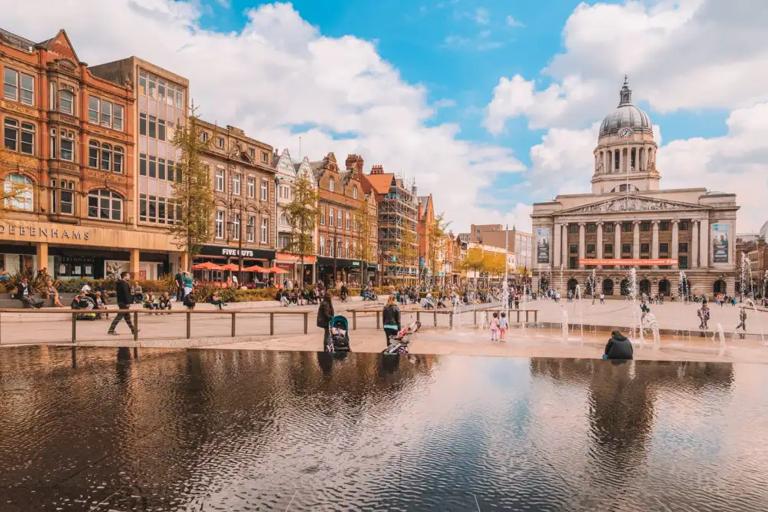
Domestic travel has seen a significant resurgence across the United Kingdom as more Britons turn toward short, local city breaks instead of long-haul international trips. This shift reflects changing attitudes toward convenience, cost, and sustainability, with many travellers recognising the value of accessible destinations that offer cultural depth without the stress of complex itineraries. As a result, UK cities both large and small are experiencing renewed interest from residents eager to rediscover their own country.
Rising travel costs have played an important role in this shift. With fluctuating flight prices, increased airport fees, and higher accommodation rates abroad, many individuals are finding domestic travel to be a more economical and predictable alternative. A weekend away in Manchester or Edinburgh can provide the same sense of escape as an overseas journey, often at a fraction of the expense and without the uncertainty of travel disruptions.
Sustainability is another key factor influencing this trend. As public awareness of carbon emissions grows, more travellers are reconsidering the impact of air travel and choosing destinations that can be reached by train or coach. This shift not only reduces environmental impact but also offers a quieter, more scenic travel experience. Many Britons report that slower domestic journeys feel more relaxing than the intensity of airports and long-haul flights.
Cultural discovery within the UK has also contributed to the appeal of local breaks. Cities such as Birmingham, Liverpool, and Glasgow continue to evolve with expanding food scenes, new museums, and revitalised arts districts. Travellers are increasingly drawn to the opportunity to explore neighbourhoods rich in history and character, discovering experiences that rival international destinations without requiring extensive planning.
Shorter travel times make local city breaks particularly attractive for busy professionals. Instead of spending hours navigating security queues or adjusting to time zones, travellers can depart on a Friday evening and arrive at a new destination before nightfall. This convenience maximises leisure time and allows for spontaneous getaways—something that is far more challenging when international travel is involved.
The growth of boutique accommodation options across the UK has also played a role in the trend. Independent hotels, converted townhouses, and design-led serviced apartments offer unique atmospheres that cater to travellers seeking character and comfort. These properties often highlight local craftsmanship and distinctive interiors, creating memorable stays that feel personal and immersive.
Food culture has become a defining element of domestic travel, with many visitors planning trips specifically around dining experiences. Whether sampling street food in Bristol, booking a table at a Michelin-starred restaurant in Leeds, or exploring London’s multicultural markets, travellers are embracing the UK’s expanding culinary landscape. This creative diversity continues to attract food enthusiasts who might once have travelled abroad for similar experiences.
Events and festivals contribute further to the appeal of staying local. From music festivals in Brighton to literary gatherings in Hay-on-Wye, there is no shortage of cultural celebrations that draw visitors nationwide. Travellers appreciate the sense of community these events create, along with the opportunity to explore cities through the lens of seasonal festivities.
Safety and predictability also factor into the decision to stay within the UK. Recent years have highlighted the unpredictability of international travel, including sudden restrictions, cancellations, and administrative hurdles. Local travel offers far more stability, giving travellers peace of mind that their plans are less likely to be disrupted by global events outside their control.
Remote work has further encouraged Britons to explore domestic destinations, often blending leisure with short working periods. Many travellers now choose accommodations with strong Wi-Fi, comfortable workspaces, and access to local amenities, enabling them to balance productivity with exploration. This hybrid approach has contributed to the popularity of extended weekend stays or midweek breaks.
Smaller UK cities and towns have embraced the rise in domestic tourism by investing in public spaces, independent businesses, and cultural programming. These improvements have made regions more attractive to visitors seeking authentic local experiences. Community-led revitalisation efforts, including new pedestrian zones and expanded arts funding, have further elevated the appeal of exploring the UK more deeply.
As domestic travel continues to gain momentum, industry analysts predict lasting changes in how Britons plan their getaways. What began as a practical response to global uncertainty has evolved into a broader appreciation for the diversity found within the UK itself. For many travellers, local city breaks now offer the ideal blend of convenience, value, and cultural richness, reshaping the future of British tourism in meaningful ways.